
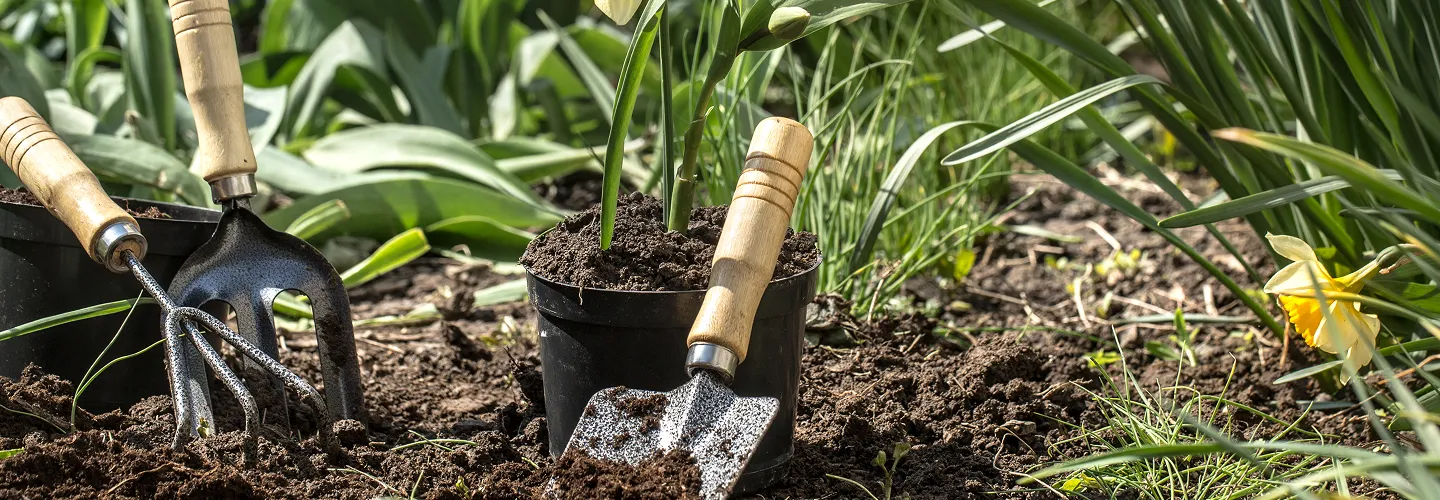
East Haddam Weeding Services
Choose our expert weeding services for a healthier, more beautiful landscape—our experienced team removes unwanted growth with precision, ensuring your plants thrive and your property always looks its best.
Get a Free QuoteOur East Haddam Landscaping & Yard Care Services
When to Schedule Weeding in East Haddam, Connecticut – Seasonal Guide
In East Haddam, Connecticut, the best times to schedule weeding are closely tied to our region’s unique climate and landscape. Early spring, just after the last frost, is ideal for tackling emerging weeds before they establish deep roots. This timing is especially important in neighborhoods near Devil’s Hopyard State Park and along the Connecticut River, where shaded woodlands and moist soils can encourage rapid weed growth. Late summer and early fall are also strategic periods, as cooler temperatures and increased rainfall can trigger a new flush of weeds, particularly in areas with dense tree cover or near the Salmon River.
Local environmental factors play a significant role in determining the optimal weeding schedule. For example, East Haddam’s variable humidity and occasional drought conditions can affect both weed proliferation and the ease of removal. Properties in the Moodus section, with its mix of open lawns and rocky terrain, may require different timing than those closer to Bashan Lake, where higher moisture levels persist. For more information on local climate patterns and gardening resources, visit the Sudbury municipal site.
Local Factors to Consider for Weeding in East Haddam
- Proximity to wooded areas or water bodies (e.g., Salmon River, Bashan Lake)
- Soil type and drainage (rocky, clay, or loamy soils)
- Tree density and shade coverage
- Typical frost dates and seasonal temperature shifts
- Precipitation patterns and drought risk
- Municipal restrictions or local ordinances on herbicide use
- Terrain slope and accessibility
Benefits of Weeding in East Haddam

Enhanced Curb Appeal
Healthier Plant Growth
Reduced Pest Infestation
Improved Soil Quality
Professional and Reliable Service
Time and Effort Savings
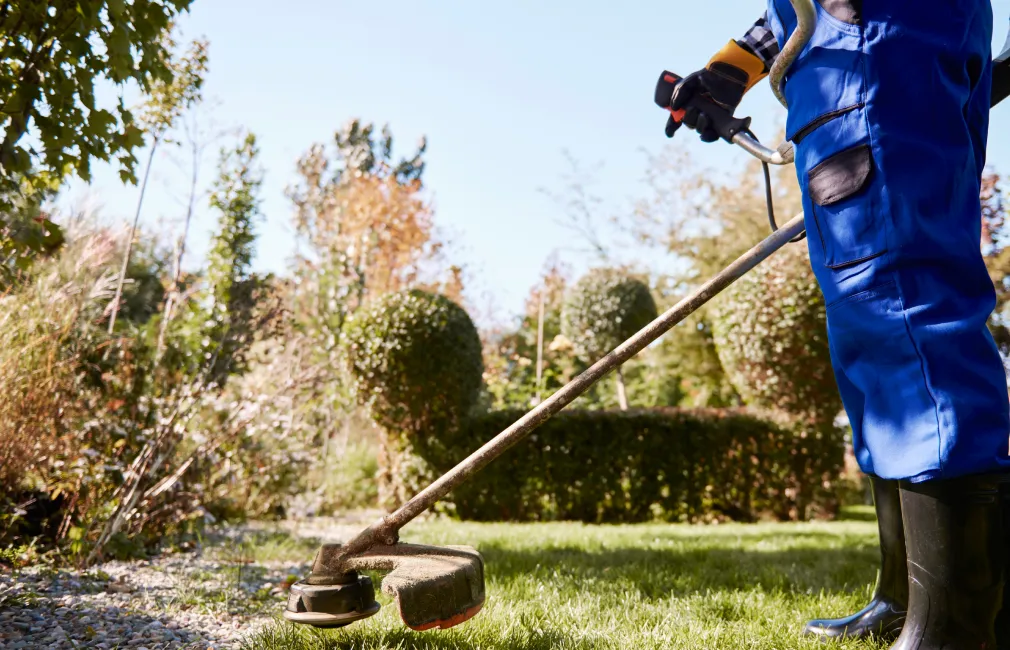
East Haddam Weeding Types

Hand Weeding
-
Mechanical Weeding
-
Mulching for Weed Control
-
Pre-Emergent Herbicide Application
-
Post-Emergent Herbicide Application
-
Flame Weeding
-
Soil Solarization
Our Weeding Process
Site Evaluation
Weed Identification
Targeted Removal
Soil Treatment
Final Inspection
Why Choose East Haddam Landscape Services
-
East Haddam Homeowners Trust Us
-
Expert Lawn Maintenance
-
Reliable Seasonal Cleanup
-
Competitive Pricing
-
Professional Team
-
Satisfaction Guarantee
-
Personalized Service
Managing Weeding in East Haddam’s Glacial Till and Coastal Sandy Soils
Weeding practices in East Haddam must account for the town’s predominant Inceptisols and Ultisols, which are characterized by glacial till (rocky, stony soils) and coastal sandy deposits. These soils are moderately acidic, with pH typically ranging from 5.5 to 6.5, and often exhibit poor drainage, especially in low-lying areas. Effective weed removal requires soil-specific strategies, such as incorporating 2-3 inches of compost tilled to a 6-inch depth to improve structure and moisture retention. Soil testing is recommended every 2-3 years, with services available through UConn Extension (typical cost: $15-25 per sample). For persistent weed issues, mechanical removal is preferred over chemical controls to protect sensitive soils and nearby wetlands. Research local soil series using the USDA Web Soil Survey to tailor weeding methods to site-specific conditions.
Seasonal Timing and Weather Considerations for Weeding in East Haddam
East Haddam’s climate falls within USDA Hardiness Zone 6b, with average last frost dates in late April and first frost in late October. Optimal weeding windows are April 15 – June 15 and September 1 – October 15, when soil temperatures range from 50°F to 70°F and weed growth is most active. Avoid mechanical or chemical weeding during July and August, as heat stress can damage desirable plants and reduce effectiveness. Monitor local weather forecasts through the National Weather Service (Boston/Norton office) to plan operations around rainfall and soil moisture. Key timing guidelines include:
- Spring weeding: April 15 – June 15
- Fall weeding: September 1 – October 15
- Avoid: July-August (heat stress period)
- Soil temperature: 50-70°F for best results
East Haddam Municipal Ordinances and Collection Procedures for Yard Debris
Weeding debris in East Haddam must be managed in accordance with municipal collection schedules and disposal regulations. The Department of Public Works oversees weekly yard waste pickup every Thursday from April through November. Accepted materials include leaves, grass clippings, and brush under 4 feet in length, placed in biodegradable bags or reusable bins (32-gallon maximum). Prohibited items include plastic bags and branches over 4 inches in diameter. Equipment operation for weeding is permitted:
- Monday-Friday: 7:00 AM – 7:00 PM
- Saturday: 8:00 AM – 6:00 PM
- Sunday and holidays: Prohibited
Violations of these ordinances may result in fines. For detailed collection procedures and ordinance compliance:
East Haddam Department of Public Works
1 Plains Road, East Haddam, CT 06423
Phone: (860) 873-5023
Official Website: East Haddam Department of Public Works
Environmental Compliance: Wetland Buffers and Stormwater Protection in East Haddam
Weeding activities near East Haddam’s wetlands, streams, and conservation areas must comply with both local and state environmental regulations. A minimum 25-foot no-disturbance buffer is required from all designated wetlands, and no yard waste or soil disturbance is permitted within this zone. The Connecticut Environmental Protection Act and the Clean Water Act prohibit the discharge of debris or chemicals into storm drains or water bodies. East Haddam’s MS4 permit, administered by the state, mandates that all yard waste be kept out of stormwater infrastructure. For guidance on buffer zones and compliance:
East Haddam Conservation Commission
1 Plains Road, East Haddam, CT 06423
Phone: (860) 873-5031
Official Website: East Haddam Conservation Commission
Connecticut Department of Energy and Environmental Protection
79 Elm Street, Hartford, CT 06106
Phone: (860) 424-3000
Official Website: Connecticut Department of Energy and Environmental Protection
Professional Standards and Safety Protocols for Weeding Operations in East Haddam
All weeding operations in East Haddam must adhere to professional safety standards and municipal equipment regulations. Operators are required to use:
- Eye protection: ANSI Z87.1 rated safety glasses
- Hearing protection: Earmuffs or plugs for 85+ dB noise
- Footwear: Steel-toed boots, non-slip soles
- Gloves: Cut-resistant for hand weeding, chemical-resistant for herbicide application
Equipment must be commercial-grade and maintained with blade sharpening every 20-25 hours of use. Maintain a 15-foot clearance from overhead utilities and public walkways. All chemical applications must comply with state pesticide regulations and be performed by licensed applicators. For questions on safety and equipment standards:
East Haddam Department of Public Works
1 Plains Road, East Haddam, CT 06423
Phone: (860) 873-5023
Official Website: East Haddam Department of Public Works
What Neighborhoods Do We Serve Throughout East Haddam, CT?
- Moodus Village: Features compacted glacial till soils and moderate slopes, requiring careful weed removal to prevent erosion and protect nearby Moodus Reservoir.
- Leesville: Characterized by sandy loam soils and proximity to Salmon River, with frequent wetland buffer zones and seasonal flooding concerns.
- Hadlyme: Contains historic properties with mature landscaping and dense tree cover, necessitating hand weeding and compliance with local conservation restrictions.
- Bashan Lake Area: Lakeside lots with poorly drained soils and high water tables, where debris management and wetland buffer compliance are critical.
- Tater Hill: Elevated terrain with rocky soils and exposed sites, presenting challenges for mechanical weeding and requiring erosion control measures.
- East Haddam Center: Mix of residential and civic properties, with variable soil conditions and increased foot traffic, demanding strict adherence to equipment operation hours and safety protocols.
- Millington: Rural area with large lots, forest edges, and wildlife corridors, where invasive species management and coordination with conservation authorities are often necessary.