
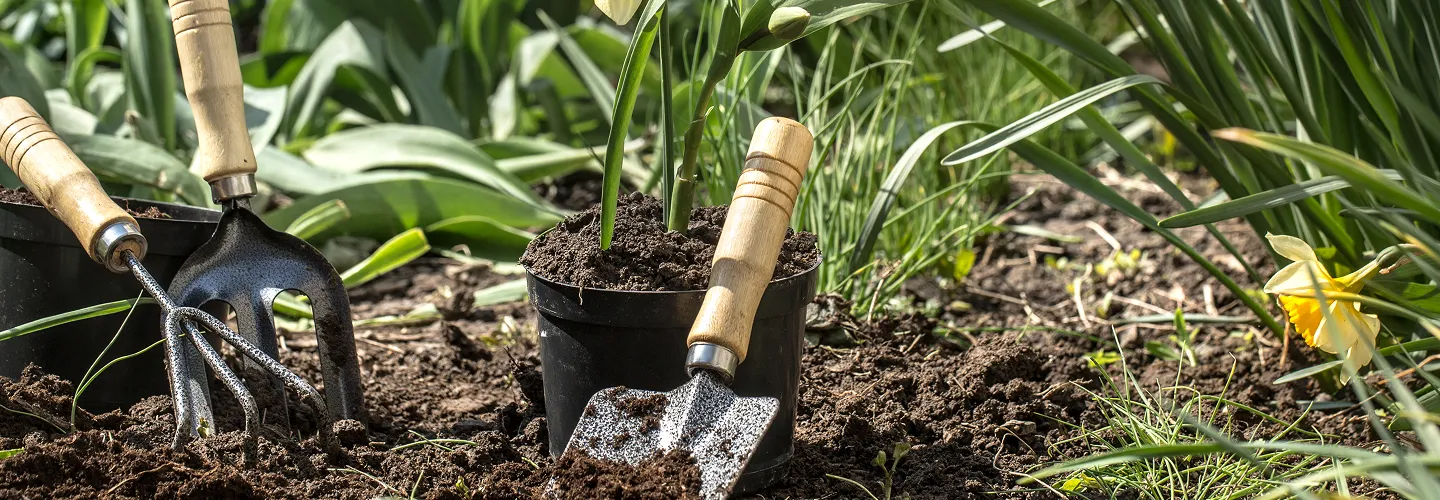
East Haddam Flower Bed Maintenance Services
Choose our Flower Bed Maintenance for expert care that keeps your garden healthy, colorful, and thriving all season long—so you can enjoy stunning flower beds without the hassle.
Get a Free QuoteOur East Haddam Landscaping & Yard Care Services
When to Schedule Flower Bed Maintenance in East Haddam, Connecticut – Seasonal Guide
In East Haddam, Connecticut, the timing of flower bed maintenance is closely tied to our region’s unique climate and landscape. With spring’s late frosts and humid summers, it’s essential to plan maintenance activities around local weather patterns to ensure healthy, vibrant beds. Early spring, just after the last frost—typically in mid-April for neighborhoods near Devil’s Hopyard State Park and Moodus—is ideal for cleaning, mulching, and planting. Summer maintenance should focus on managing humidity and monitoring for drought, especially in areas with sandy soils or limited shade, such as those near Bashan Lake.
Local environmental factors like soil composition, shade from mature trees in the Haddam Neck area, and municipal watering restrictions can all impact the best times for service. For more detailed information on local climate and gardening resources, visit the Sudbury town website.
Local Factors to Consider for Flower Bed Maintenance in East Haddam
- Proximity to Connecticut River and associated humidity levels
- Tree density and shade coverage in neighborhoods like Leesville
- Soil type variations (sandy vs. loamy) across different parts of town
- Terrain and drainage, especially on sloped properties
- Average precipitation and risk of summer drought
- Municipal watering restrictions and local ordinances
Benefits of Flower Bed Maintenance in East Haddam

Enhanced Curb Appeal
Weed and Pest Prevention
Healthier Plant Growth
Seasonal Color and Variety
Professional Expertise
Time and Effort Savings
East Haddam Flower Bed Maintenance Types

Seasonal Flower Planting
-
Weed Control Services
-
Mulching and Soil Conditioning
-
Pruning and Deadheading
-
Fertilization Programs
-
Pest and Disease Management
-
Edging and Bed Redefining
Our Flower Bed Maintenance Process
Site Evaluation
Weed Removal
Soil Preparation
Plant Care
Mulching
Why Choose East Haddam Landscape Services
-
East Haddam Homeowners Trust Us
-
Expert Lawn Maintenance
-
Reliable Seasonal Cleanup
-
Competitive Pricing
-
Professional Team
-
Satisfaction Guarantee
-
Personalized Service
East Haddam’s Glacial Till Soils: Implications for Flower Bed Maintenance
Flower bed maintenance in East Haddam requires careful consideration of the town’s predominant glacial till soils, classified as Inceptisols and Ultisols according to the USDA Web Soil Survey. These soils are typically rocky, moderately acidic (pH 5.5-6.5), and often poorly drained, with a seasonal water table at 12-18 inches. Proper soil preparation is essential for healthy flower beds, including:
- Removal of stones and debris to a depth of 8-12 inches
- Incorporation of 2-3 inches of compost tilled to 6-inch depth
- Lime application if pH is below 6.0 (based on soil test)
- Raised beds or amended drainage in low-lying areas Soil testing is available through UConn Extension for a typical fee of $15-25. These practices help ensure optimal root development and nutrient uptake for both native and ornamental species.
Municipal Coordination: Yard Waste Collection and Debris Disposal in East Haddam
Proper disposal of flower bed debris is regulated by East Haddam’s municipal programs. Yard waste collection occurs every Thursday from April through November. Residents must use biodegradable bags or reusable bins (32-gallon maximum); plastic bags and branches over 4 inches in diameter are prohibited. Accepted materials include leaves, grass clippings, and brush under 4 feet in length. Debris left curbside outside of scheduled collection days may result in code enforcement action. For large-scale projects or off-schedule disposal, the town transfer station is available during posted hours. Coordination with the Department of Public Works ensures compliance with local ordinances and prevents stormwater violations under the Clean Water Act.
East Haddam Department of Public Works
1 Plains Road, East Haddam, CT 06423
Phone: (860) 873-5023
Official Website: East Haddam Department of Public Works
Environmental Compliance: Wetland Buffers and Stormwater Protection for Flower Beds
East Haddam contains numerous wetlands, streams, and protected areas, requiring strict adherence to buffer regulations. The Connecticut Environmental Protection Act and the town’s Conservation Commission mandate a minimum 25-foot no-disturbance buffer from delineated wetlands for all planting and maintenance activities. Fertilizer and pesticide applications are prohibited within 50 feet of water bodies to prevent runoff and protect aquatic habitats. The town’s MS4 permit, administered under the EPA NPDES Program, prohibits yard waste or soil from entering storm drains. Compliance steps include:
- Maintaining 25-foot wetland buffers
- Using only slow-release or organic fertilizers
- Installing erosion controls on slopes
- Scheduling maintenance to avoid heavy rain events
East Haddam Conservation Commission
1 Plains Road, East Haddam, CT 06423
Phone: (860) 873-5031
Official Website: East Haddam Conservation Commission
Plant Selection and Seasonal Timing for East Haddam Flower Beds
East Haddam is located in USDA Hardiness Zone 6b, with average annual minimum temperatures of -5°F to 0°F. Plant selection should prioritize species adapted to local climate and soil conditions. Recommended perennials for full sun include black-eyed Susan (Rudbeckia hirta), coneflower (Echinacea purpurea), and daylily (Hemerocallis spp.). For partial shade, coral bells (Heuchera spp.), astilbe, and hosta are suitable. Deer-resistant options such as lavender (Lavandula angustifolia), Russian sage (Perovskia atriplicifolia), and salvia are advised due to local wildlife pressure. Planting is best scheduled for:
- Spring: April 15 – May 30 (soil temp 50-65°F)
- Fall: August 20 – September 30 (before first frost) Spacing should be 12-24 inches depending on species for optimal growth and air circulation. Consult the USDA Plant Hardiness Zone Map for additional guidance.
Equipment Operation and Safety Standards for Flower Bed Maintenance in East Haddam
Operation of power equipment for flower bed maintenance in East Haddam is governed by municipal noise ordinances. Permitted hours are:
- Monday-Friday: 7:00 AM – 7:00 PM
- Saturday: 8:00 AM – 6:00 PM
- Sunday and holidays: Prohibited All commercial operators must use equipment with functioning mufflers and maintain noise levels below 85 decibels at property lines. Safety protocols require:
- ANSI Z87.1 rated safety glasses
- Hearing protection for equipment exceeding 85 dB
- Steel-toed boots and cut-resistant gloves for pruning
- 15-foot clearance from overhead utilities Routine blade sharpening (every 20-25 hours) and equipment inspection are mandatory for compliance and operator safety. The East Haddam Department of Public Works provides additional guidance on equipment standards.
What Neighborhoods Do We Serve Throughout East Haddam, CT?
- Moodus: Characterized by moderately well-drained glacial till soils and mature residential lots, Moodus requires careful debris management due to proximity to Moodus Reservoir and local wetlands.
- Leesville: Features a mix of historic homes and newer developments, with compacted soils and variable drainage; flower bed maintenance often involves soil amendment and erosion control.
- Hadlyme: Known for its sloped terrain and forested lots, Hadlyme presents challenges with runoff and requires strict adherence to wetland buffer regulations.
- Bashan Lake Area: Properties near Bashan Lake must comply with enhanced stormwater protections and fertilizer restrictions to safeguard water quality.
- East Haddam Village: Dense development and limited green space necessitate raised beds and careful scheduling to avoid traffic and parking constraints during maintenance.
- Tater Hill: Rural character with larger lots and heavy deer pressure; plant selection focuses on deer-resistant species and native perennials.
- Millington: Proximity to conservation lands and protected habitats requires compliance with conservation commission guidelines and use of organic soil amendments.